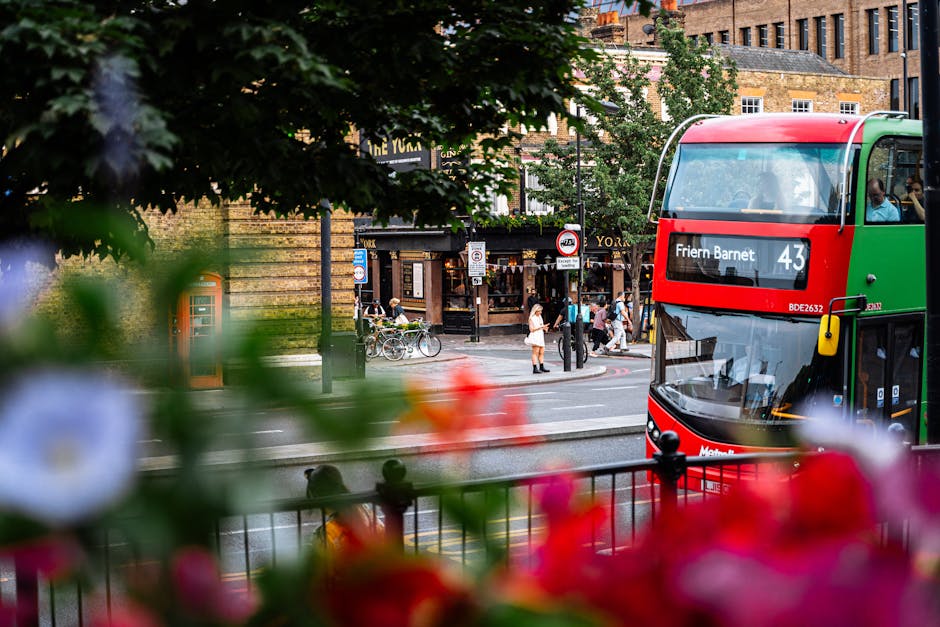
Man With A Van in Friern Barnet

Man With A Van Friern Barnet provides practical moving support for homes, flats and small business loads that need careful handling and a straightforward collection-and-delivery approach. The service suits customers who want help with single items, part-load transport, or a fuller removal without the scale of a large lorry. We focus on getting belongings loaded safely, moved efficiently and placed where they are needed, with the work shaped around the size of the job rather than a rigid package.
Typical requests can include furniture pick-up, local relocations, student moves, and transport for bulky items that are awkward to move alone. Our aim is simple: give you a dependable man and van service that is easy to arrange and clear about what the move involves. If you are comparing options, start by looking at the service pages for man and van removals and removal services to see how the different job types are described.
For a quotation, it helps to know what is being moved, where it needs to go and whether there are stairs, parking limits or awkward access points. You do not need to prepare a perfect inventory; a sensible outline is enough to begin. When you are ready, request pricing and quotes and we can discuss the details in a clear way.
Flexible moving support for homes and flats
Home moving work often needs more flexibility than a standard removals package. A man with a van setup can be well suited to one-bedroom flats, shared houses, studio moves and smaller family relocations where the load is manageable but still needs proper care. It can also suit people moving in stages, such as taking the larger furniture first and returning for the remaining boxes later. The key is matching the transport to the volume and the access rather than assuming one size fits all.
We also handle many jobs where the main need is not a full house move but a reliable vehicle and practical loading help. That can include transport for sofas, beds, wardrobes, white goods or boxed household items, as well as collections from shops, storage units or private sellers. When the job is more extensive, useful supporting pages such as home moves and house removals set out the wider service range in a straightforward way.
Three simple planning points make a move easier to scope:
- what items need to go, including anything especially heavy or fragile
- the collection and delivery postcodes, plus any loading restrictions
- whether lifting help, disassembly or reassembly may be needed
Furniture, single items and careful collection work

Many customers use a man and van for a single item or a small set of pieces that are too awkward to move in an ordinary car. This kind of work often centres on making sure the item is handled with enough care to avoid scratches, knocks and strain on the person moving it. Sofas, beds, bookcases, dining tables and appliances are all typical examples, though the exact approach always depends on size, weight and access. Careful lifting and sensible positioning matter as much as the journey itself.
Furniture collection can also be useful when the item is coming from a retailer, storage facility, auction house or private sale. In these cases, the service is not just transport but a practical handover between collection point and destination. If the job needs extra packing support before loading, the packing and unpacking services page explains the sort of assistance available. For larger or mixed loads, the broader removals option may be a better fit.
Good preparation does not have to be complicated. If an item can be dismantled safely, that may make the move simpler, but many pieces can travel as they are when there is enough space and the route is suitable. Clear access, well-marked fragile items and a sensible idea of floor level at each end all help the job run smoothly. When you are comparing services, a plain discussion of the item list usually gives the most accurate quotation basis.
Commercial moves for small workplaces
Small commercial moves are often best handled by a van-based service when the office contents are limited or the move needs to happen in stages. Desks, office chairs, filing cabinets, compact storage, boxed paperwork and small IT equipment can all be moved in a structured way, provided the items are planned and grouped properly. A careful loading sequence helps reduce delays and keeps essential equipment accessible when it reaches the new address.
Where an office move includes both transport and internal relocation, it is useful to separate the tasks clearly. Some jobs involve moving items between floors, while others require removal from a closed office and delivery to a new site without extra handling. The pages for office relocation services and office removals give more context for that type of work. If your move includes packaging or organising boxed contents, packing and unpacking services may also be relevant.
For commercial enquiries, helpful details include the number of workstations, whether lift access is available, and whether any items must be moved before opening hours or after closing. Breakable items and equipment with cables or accessories should be identified early so that loading can be arranged sensibly. The more clearly the load is described, the easier it is to match the vehicle and the moving time to the task.
Access, loading and route planning

One reason people choose a man with a van is that it can work well where access is not straightforward. Tight entrances, narrow stairs, shared hallways and limited parking can all affect how a move is carried out. Good planning takes these factors seriously, because the route from property to vehicle is part of the job, not an afterthought. The aim is to reduce avoidable handling and keep the transfer of items efficient and orderly.
Loading is also about sequence. Heavy or awkward pieces should usually be placed so they can be secured properly, while lighter boxes and smaller items fill the remaining spaces. When moving mixed loads, it helps to group items by room or by priority, particularly if some things need to be unloaded first at the destination. If your move involves a wider set of household items, the pages on house movers and house removalists provide useful context alongside the core van service.
Route choice can matter as much as the loading plan itself. A clear route with the right parking arrangement reduces unnecessary lifting and helps protect both the items and the people moving them. That is why a concise description of the access at each end is worth including when you ask for a price. Small details, such as whether the vehicle can stop close to the door, often make a practical difference to the overall job.
When a van-based removal is the sensible choice
 A man and van service is often the sensible choice when a full-size removal crew would be more than you need. It can suit smaller homes, partial loads, short-distance relocations and collections that do not justify a larger vehicle. That does not mean the work is casual; it still benefits from careful coordination, sound lifting practice and a clear plan for what should be loaded first. The service is simply scaled to the size of the move.
It may also suit jobs where timing and convenience matter more than moving everything in one go. Some customers need furniture delivered before the rest of their belongings, while others want storage items taken to a new property in a separate trip. For alternative service descriptions, you may find moving van and removal van useful. Where there is a larger mixed load, the movers page may help frame the scope.
Because the service is adaptable, the best quotation usually comes from a short, factual description rather than a vague estimate. Item count, approximate size, collection and drop-off points, and any special handling needs are the main points. If the move includes particularly heavy or delicate items, mention that up front so that the task can be judged accurately and the right setup can be discussed.
About Friern Barnet
Friern Barnet is a district in north London within the London Borough of Barnet, positioned between larger surrounding neighbourhoods such as Finchley, New Southgate and Woodside Park. The area takes its name from the historic parish of Barnet and from the Priory of St John of Jerusalem, often associated with the old “Friern” form of the name. Its development reflects the wider suburban growth of north London, especially during the nineteenth and twentieth centuries, when former rural land gave way to residential streets, local shopping parades and transport links serving commuters and long-established households alike. The district has a clear local identity while also sitting comfortably within the broader urban pattern of Barnet. One of its best-known landmarks is Friary Park, a substantial public green space with ornamental features, mature trees and a strong community presence. The area also includes a range of streets with late Victorian and interwar housing, giving it a varied architectural character rather than a single dominant style. Nearby transport corridors and bus routes connect Friern Barnet with surrounding parts of north and north-east London, while the local road layout reflects both older settlement patterns and later suburban planning. The present-day district combines residential calm with practical amenities, and its boundaries and character are often understood through everyday use as much as through formal administrative lines.
Preparing a clear quotation
Quotations for moving work are usually more accurate when based on a clear description of the job rather than a general request. The most useful information is the type of property, the main items to be moved and the distance involved. If the job is a single collection, the dimensions or approximate weight of the item can be important; if it is a larger move, a room-by-room outline is often enough to start. Clear detail helps avoid confusion and allows the service to be matched to the load.
Access details matter too. Stairs, shared entrances, long carries, parking issues and restrictions on vehicle stopping all influence how the work should be approached. It is also sensible to mention whether the move includes dismantling, reassembly or waiting time between collection and delivery. If you would like to compare the service with other options, house removals and commercial moves show how different job types are grouped. For immediate next steps, the plain text prompt is simple: ask for a quotation and give the main facts.
When you contact us, it can help to list any fragile, oversized or unusually shaped items separately. That way, the practical side of the move can be discussed in the right order. A concise enquiry is usually enough; there is no need to over-explain, but there is value in being specific. If you are ready to move ahead, request a quotation and include the collection and delivery locations.
Supporting packed, bulky and mixed loads

Not every move falls neatly into one category. Many customers have a mixture of boxes, furniture and loose household items that need to travel together without the complexity of a full house removal. In those cases, a van-based service can bring order to an otherwise mixed load by grouping similar items, protecting fragile pieces and making sure the vehicle is used efficiently. The goal is to make the journey organised, not simply to move things from one place to another.
Bulky items often need a bit more thought than standard boxes because they can be awkward to lift, turn or secure. Mattresses, wardrobes, shelving, exercise equipment and similar pieces may require a different loading position or extra space. If you are not sure how the items should be classed, the furniture pick-up page may be a helpful reference point. For related removals terminology, man and van removals and man with van removal can help explain the service category.
Mixed loads work best when the customer can say which items are most important, which are fragile and which can be stacked. That simple order of priority helps the moving plan stay practical. If some belongings need to go into storage and others to a property, mention that clearly at the outset. It is the combination of a clear list and sensible handling, not a complicated process, that makes the job manageable.
Service choices, safety and quotation details
There are several ways to describe a van-based removal, but the useful differences are practical ones: the amount being moved, the level of help needed and the destination type. Some customers need only transport, while others need assistance with loading and unloading. A reliable quotation should reflect those differences plainly. Where helpful, you can compare the service with moving truck or removal truck hire to understand how the vehicle choice affects the job.
Safety is part of the service, especially when items are heavy, tall or fragile. Good handling reduces the risk of damage and also protects doorways, floors and stairwells. That is why it is important to say whether anything is glass-fronted, easily marked or awkward to carry. For information on how this business approaches care and protection, insurance and safety and health and safety policy are the relevant pages to read.
If you are planning ahead, think of the enquiry as a practical checklist rather than a formal document. Collection point, delivery point, item list and access notes are the core details. Once those are known, it becomes much easier to judge the right vehicle and the likely work involved. For most customers, that is enough to begin a sensible moving conversation without overcomplicating it.
Clear, practical removals help
Man With A Van Friern Barnet is designed to support straightforward moves and collections with a direct, practical approach. Whether the job involves a single bulky item, a partial household move or a small office relocation, the focus remains on handling the load properly and matching the service to the task. When the move is planned well, the process is easier to manage and the expectations are clearer from the start.
For further reading on how the service is structured, the most relevant pages are removals near me, removal company and removal companies. They give a wider view of the moving options available on the site without losing sight of the core van-based service. If you need a straightforward local move, the same principles still apply: clear details, suitable access and sensible loading.
To finish, keep your enquiry simple and specific. Tell us what is moving, where it is going and whether there are any access issues that could affect the work. If you are ready to take the next step, ask for a quotation today.